Leave Your Message
-
Phone
-
E-mail
-
Whatsapp
-
Whatsapp

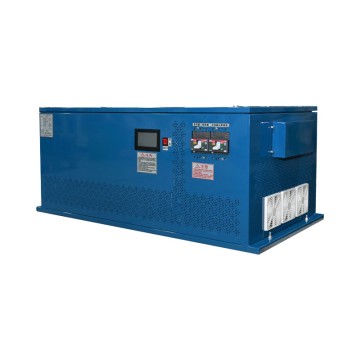
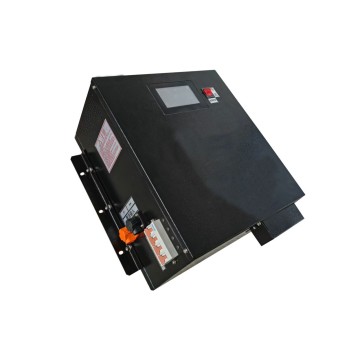
A locomotive inverter for marine ships is a specialized power conversion device that transforms DC power (from batteries, fuel cells, or solar arrays) into high-quality AC power suitable for onboard electrical systems. Unlike conventional terrestrial inverters, marine-grade locomotive inverters must endure relentless salt spray, extreme humidity, mechanical vibration, and wide temperature fluctuations — all while maintaining continuous, stable output to power navigation systems, propulsion controls, communication equipment, and crew living facilities.
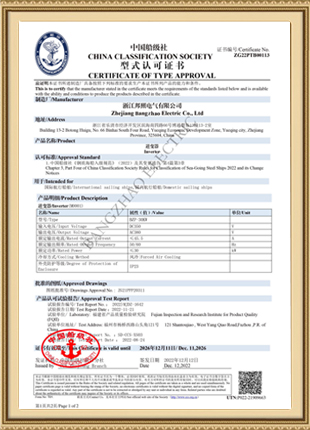
The term "locomotive inverter" in the maritime context refers to traction-class inverters originally developed for railway and heavy vehicle applications, now adapted and ruggedized for shipboard use. These inverters are characterized by their high power density, low-frequency isolation transformers, robust EMI shielding, and compliance with international marine classification standards such as CCS, DNV, BV, and ABS.
The global marine power electronics market has experienced accelerated growth over the past five years, driven by the twin forces of decarbonization mandates and the electrification of commercial shipping. According to industry analysis, the marine inverter and power conversion market was valued at over USD 3.2 billion in 2023 and is projected to grow at a CAGR of approximately 9.4% through 2030.
Key market drivers include:
Standard commercial inverters are simply not engineered for the marine environment. A purpose-built marine locomotive inverter addresses a unique set of engineering challenges:
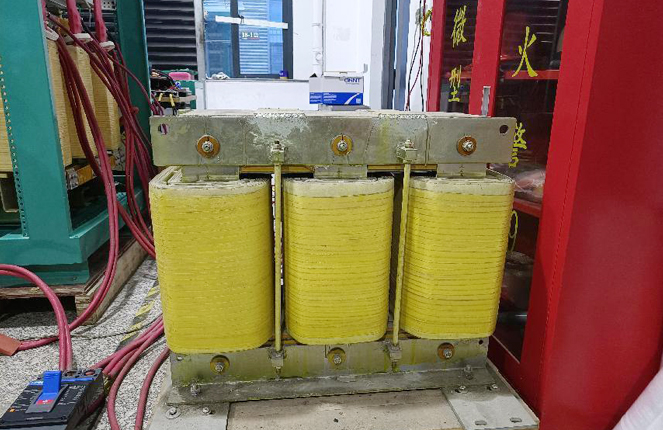
Saltwater is highly conductive. Any leakage current aboard a vessel can create dangerous galvanic corrosion, damage hull integrity, or pose electrocution risks to crew. Low-frequency isolation transformers integrated into marine inverters provide complete galvanic separation between the DC source and the AC distribution system, meeting the stringent requirements of classification societies.
Ships operate sensitive navigation radar, GPS, and communication equipment that demand tight voltage regulation (±2%) and frequency stability (50/60 Hz ±0.5%). Marine locomotive inverters incorporate advanced DSP-controlled PWM algorithms to deliver rock-solid output even under rapidly changing loads — from a single LED lamp to a large seawater pump motor starting simultaneously.
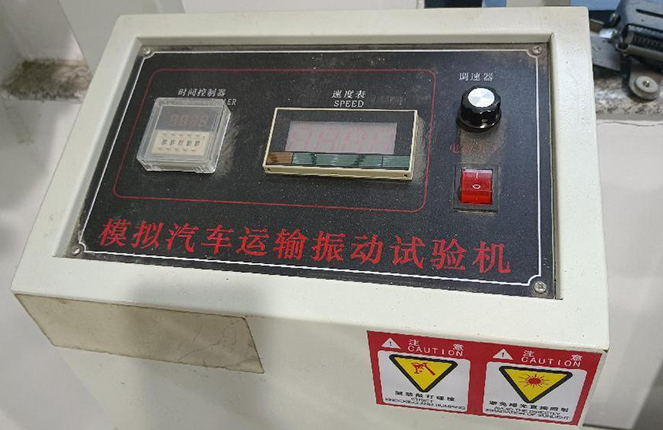
Vessels operating in open seas experience constant mechanical vibration from engines, propellers, and wave impact. Marine inverters undergo rigorous vibration testing to IEC 60068-2-6 and shock testing to IEC 60068-2-27 standards, ensuring solder joints, capacitors, and power modules remain intact throughout the vessel's service life.
Marine inverters are housed in IP54 to IP65-rated enclosures with conformal-coated PCBs, stainless steel hardware, and marine-grade aluminum heatsinks to resist salt fog corrosion per IEC 60068-2-52 testing protocols.
Integration of high-capacity lithium battery banks with locomotive inverters enables peak shaving, load leveling, and silent operation — reducing fuel consumption by 20–35% on hybrid vessels while enabling zero-emission port operations.
Rooftop and deck-mounted photovoltaic arrays feeding into MPPT-enabled marine inverters are increasingly deployed on coastal ferries, research vessels, and superyachts, cutting auxiliary engine hours and carbon footprint simultaneously.
Next-generation marine inverters embed machine learning algorithms that predict load demand, optimize battery charge/discharge cycles, and proactively flag fault conditions — reducing unplanned downtime by up to 60% according to early adopter data.
Cloud-connected inverter systems with real-time telemetry allow shore-based engineers to monitor power quality, inverter health, and energy consumption across entire fleets — enabling condition-based maintenance and eliminating costly scheduled overhauls.
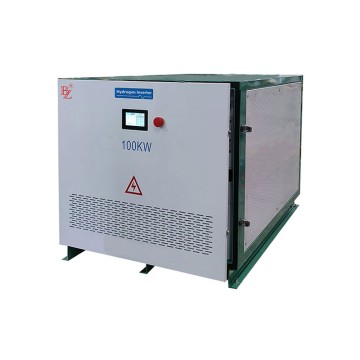
As green hydrogen emerges as a viable marine fuel, locomotive inverters capable of interfacing with hydrogen fuel cell stacks (typically 48–800V DC output) are becoming a critical enabling technology for zero-emission shipping corridors.
Modern marine inverters now support bidirectional V2G (vessel-to-grid) and shore power compatibility, allowing vessels to connect to port electrical infrastructure at any global voltage/frequency standard while protecting onboard equipment.
Large ocean-going cargo vessels require multi-megawatt inverter systems for main propulsion drives, refrigerated container power, crane operations, and hotel load management. Marine locomotive inverters in this segment must handle extreme load transients when heavy cargo-handling equipment starts and stops.
Passenger vessels demand uninterrupted power for safety systems, entertainment networks, HVAC, and galley equipment. Redundant marine inverter configurations with automatic transfer switching ensure zero-interruption power continuity — a critical passenger safety requirement.
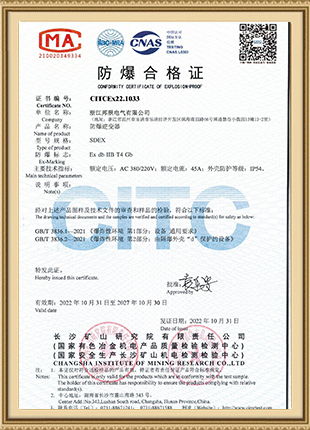
Explosion-proof rated marine inverters are essential in hydrocarbon-rich environments. These ATEX/IECEx-certified units power drilling equipment, safety systems, and crew facilities while meeting the strictest fire and gas hazard prevention standards.
Ultra-low-noise inverter technology is critical for oceanographic research ships where electromagnetic interference from power electronics can corrupt sensitive sonar, seismic, and acoustic measurement data. Marine inverters with advanced EMI filtering enable clean power delivery to laboratory-grade instruments.
Supply vessels serving remote islands often integrate marine inverter systems with onboard energy storage to provide shore power upon arrival, effectively acting as mobile power plants for communities with unreliable grid connections.
Military applications demand the highest reliability standards with MIL-SPEC shock, vibration, and EMI compliance. Locomotive inverters in naval service must deliver flawless performance during high-speed maneuvers, weapons system activation, and electronic warfare operations.
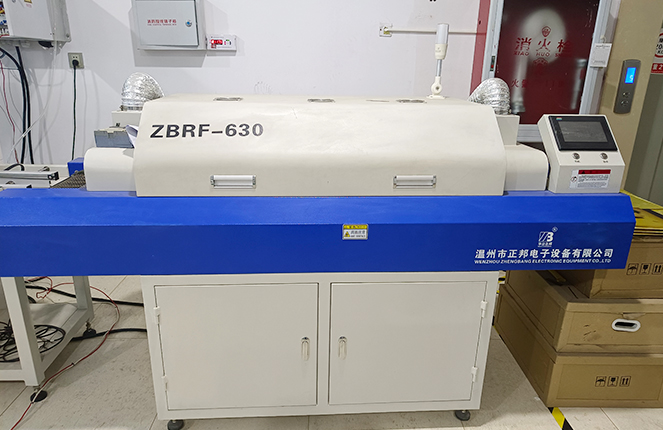
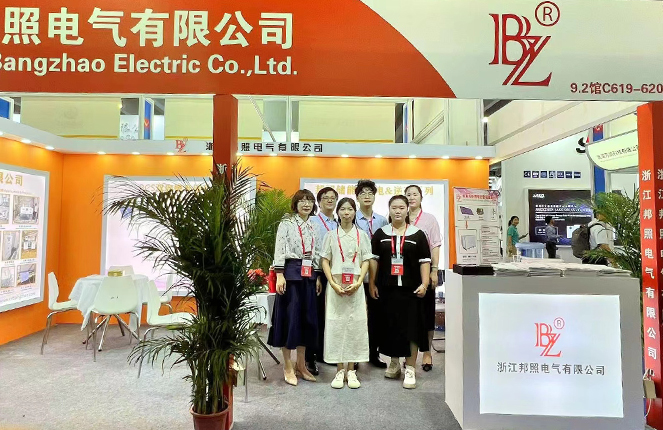
Bangzhao Electric Co., Ltd (Sandi Electric) is a company that was established in 2008 and specialized in developing and supplying of power products. The high performance of its products stems from the cutting-edge technology developed by the domestic top 100 engineers. During the past 10 years, we have been providing the best system solutions of Lithium battery storage system, PCS bi-directional energy storage power supply, Pure sine wave inverter, Marine inverter, Vehicle Inverter, Solar pump inverter, Explosion-proof inverter, PV Inverter-Controller Integrate, PV combiner box, Solar charge controller, AC-DC charger, Static phase converter etc. to customers, it is widely applied in the industry of solar energy, wind power, water power, car, ship, train, hospital, aviation, automation, etc.
We believe that through our continuous efforts and pursuit, we can become one of the most influential enterprises between domestic big-power inverter manufacturers.
Bangzhao Electric Co., Ltd (Sandi Electric) regard technological innovation and best service as the fundamental of business development. The annual technology development investment cost is more than 20% of the annual sales, with an experienced and top professional research and development team, obtained a number of certificate and patent of power products, we are cooperation supplier of many famous companies.
"Integrity, Rigorous, Pragmatic" is the continuous pursuit of the Bangzhao Electrical. Facing today and the future, we will provide more professional and perfect services to the public who support and trust Bangzhao Electric (Sandi Electric).



A team with strong execution ability is a combative team. Action and execution are the factors that determine the success or failure of an enterprise.

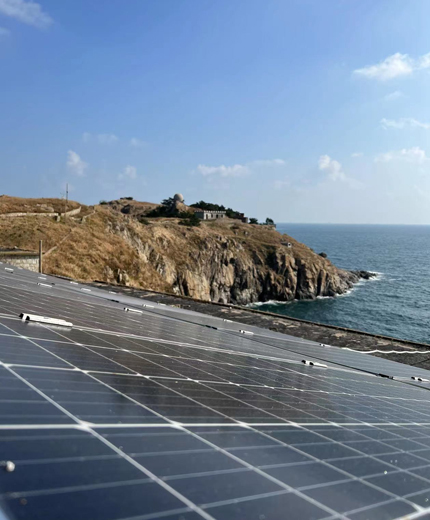
The system uses solar panels to convert solar energy into electricity, which is stored in batteries to provide a stable, clean supply of electricity for the lives of islanders. Its independence ensures energy self-sufficiency on remote islands, reducing dependence on traditional fossil fuels. Our industrial frequency off-grid inverters and photovoltaic controllers are sustainable and adapted to the harsh environment of the islands.
View More →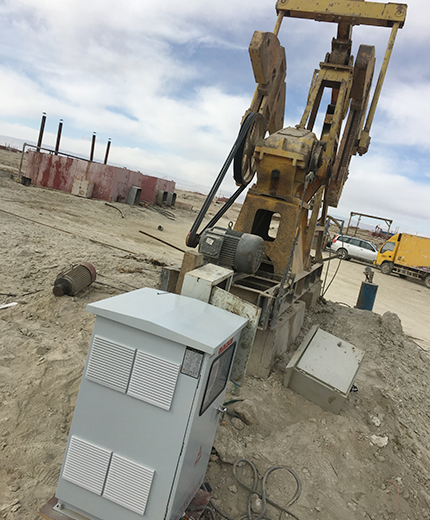
It utilises new photovoltaic energy generation technology and oil pumping units to achieve green and efficient oil extraction. The system converts solar energy into electricity through photovoltaic modules to provide stable and continuous power support for oil pumps, eliminating the need to rely on traditional fossil fuels and greatly reducing gas emissions.
View More →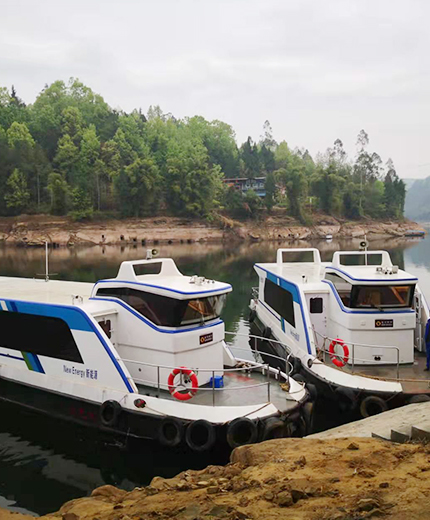
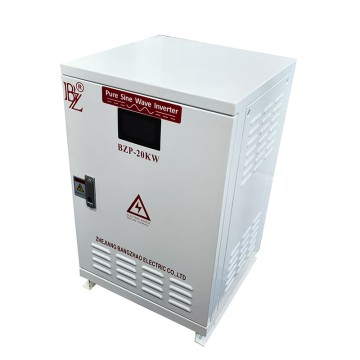
Provide power for all electrical equipment on board. It needs to adapt to the complex environment at sea, ensure the stable operation of navigation, communication, living facilities, etc., frequency and voltage stabilisation, Low frequency isolation type, strong anti-interference ability, and conform to the approval of Classification Society CCS.
View More →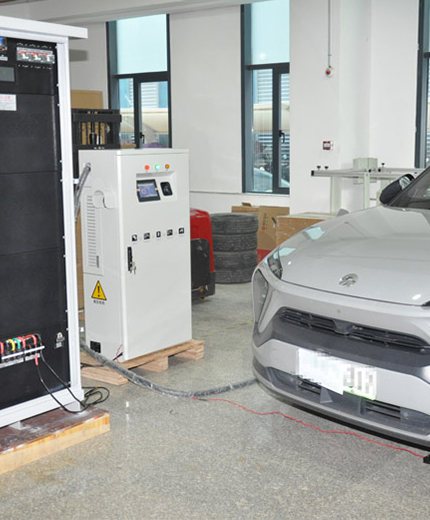
The new energy charging pile energy storage system, integrating inverter charging and energy storage technologies, provides green charging solutions for electric vessels. The system utilises clean energy such as solar and wind to generate electricity and stores it through energy storage equipment to ensure stable power supply to charging facilities.
View More →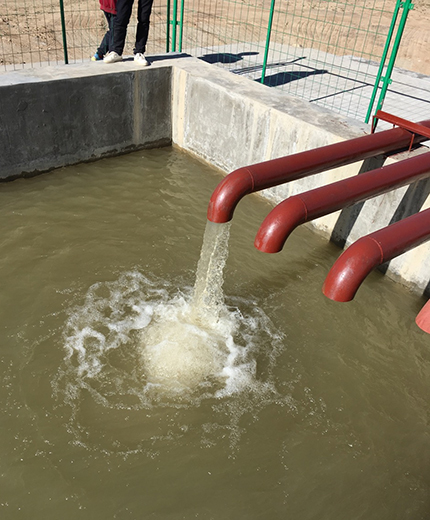
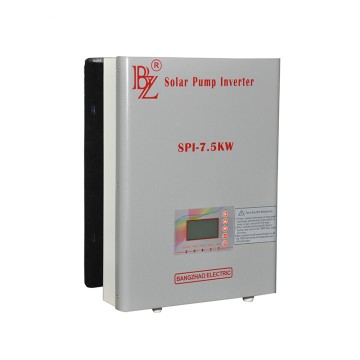
Solar water pumping system, using pure photovoltaic direct drive three-phase AC water pump, can be combined with utility power complementary. The system converts solar energy into electricity through solar panels, which is supplied to the water pump in real time to achieve efficient pumping for irrigation or water supply.
View More →
As a direct manufacturer of marine locomotive inverters, we eliminate middlemen to offer the most competitive pricing with full quality control from production to delivery.

Every marine vessel has unique power requirements. Our engineering team provides full OEM/ODM customisation — from voltage ratings and enclosure ratings to communication protocols and classification compliance.

Dedicated global technical support with remote diagnostics, spare parts availability, and on-site service coordination ensures your marine inverter systems maintain peak performance throughout their operational life.

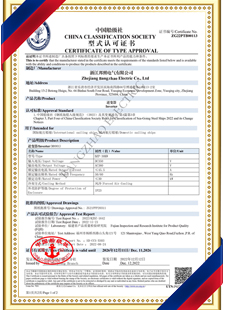
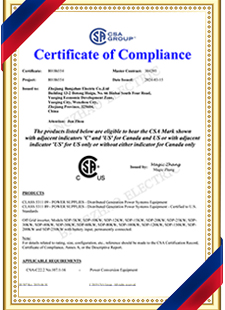
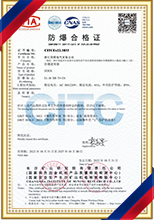
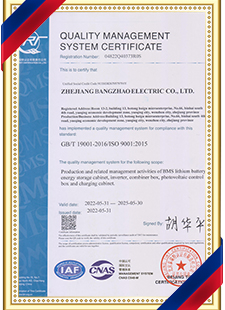
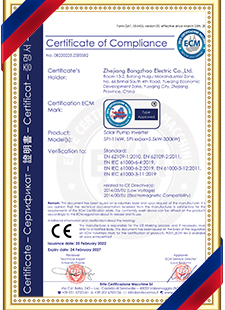
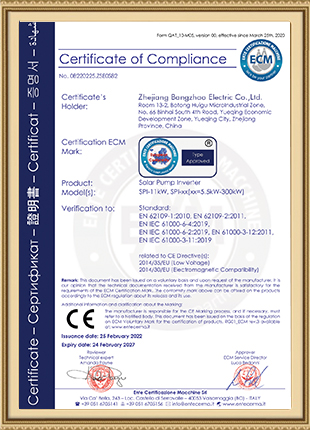
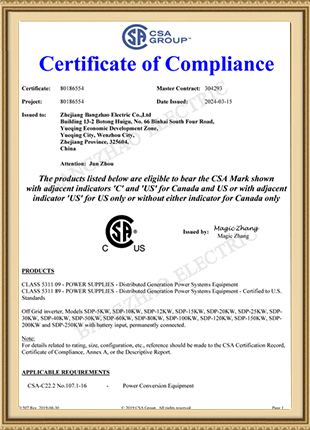
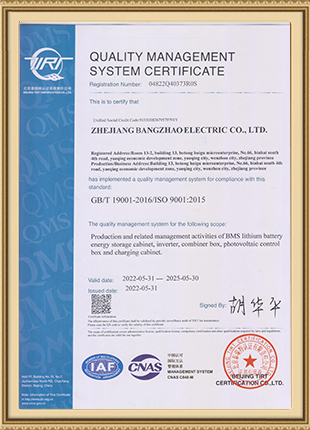
CCS, ISO, and multiple international certifications validate our marine inverter quality. Our products meet the most stringent classification society requirements for commercial and naval applications worldwide.

Company Profile
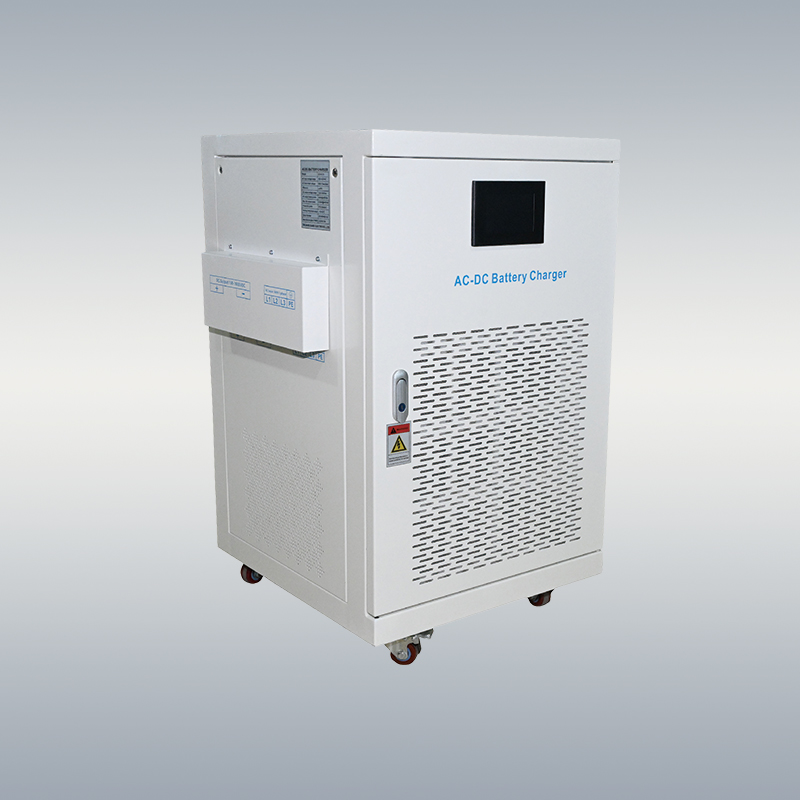
3 Phase AC-DC Battery Charger
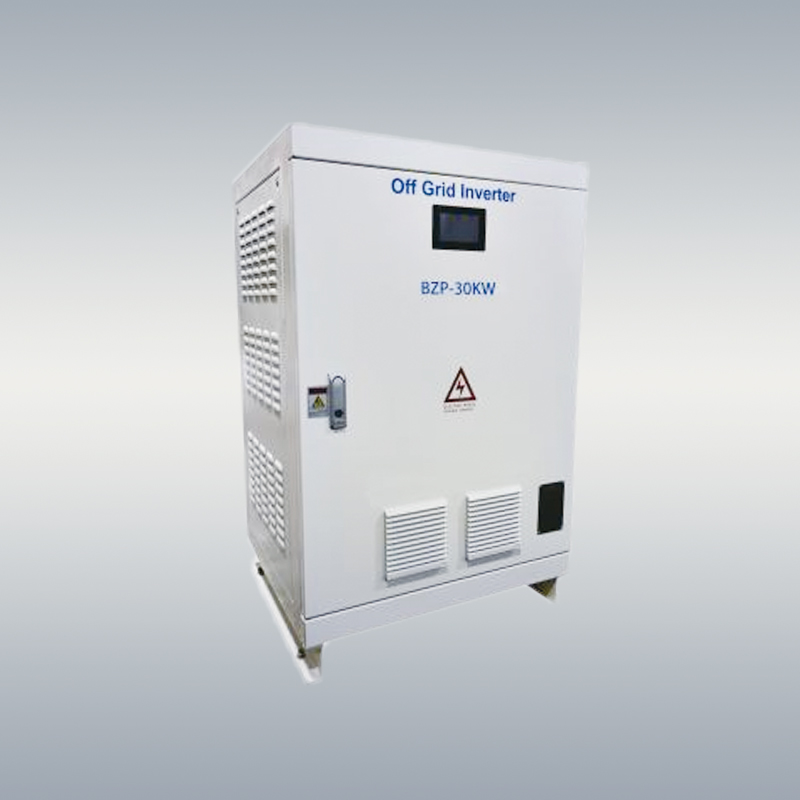
Pure Sine Wave Inverter
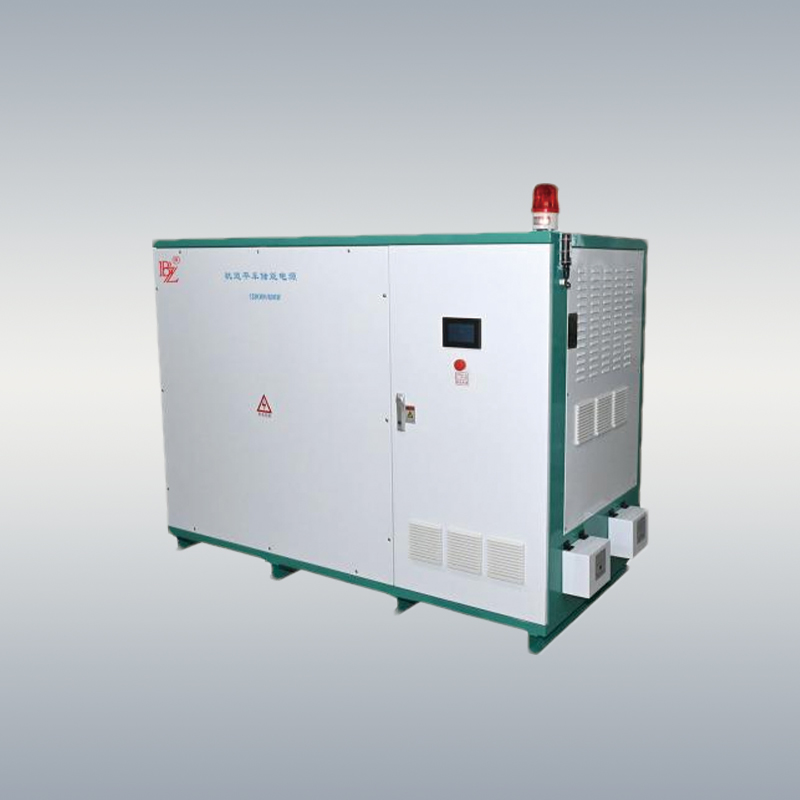
diesel-lithium hybrid storage system
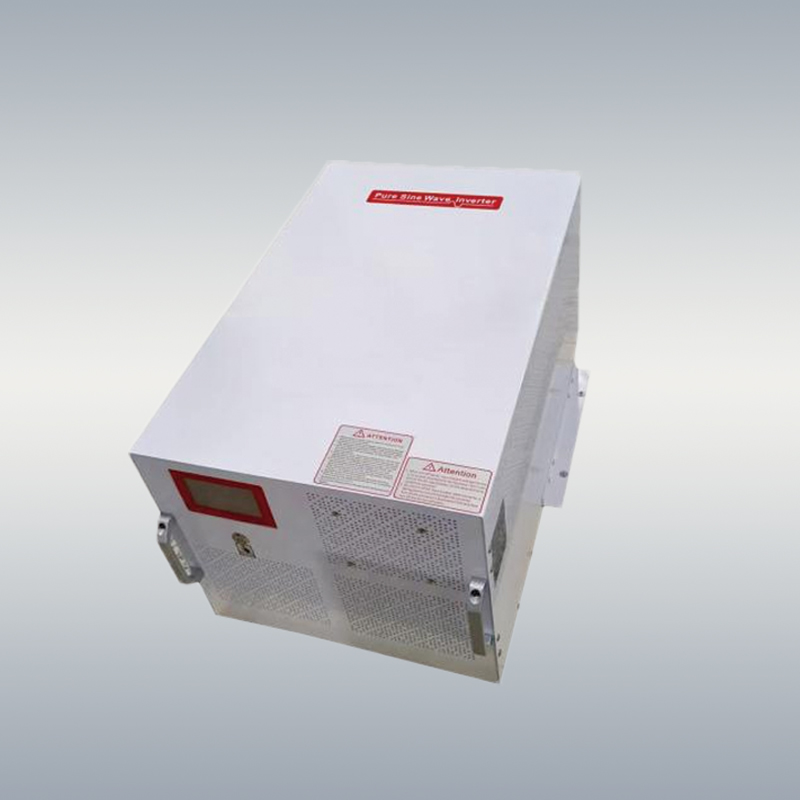
48VDC-220VAC inverter
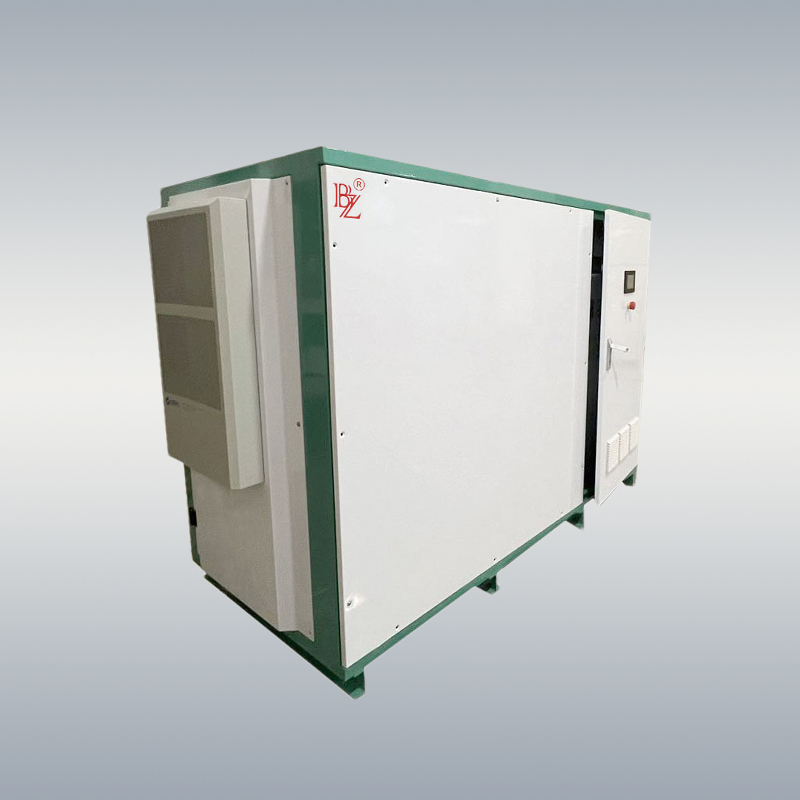
wind-solar hybrid storage system
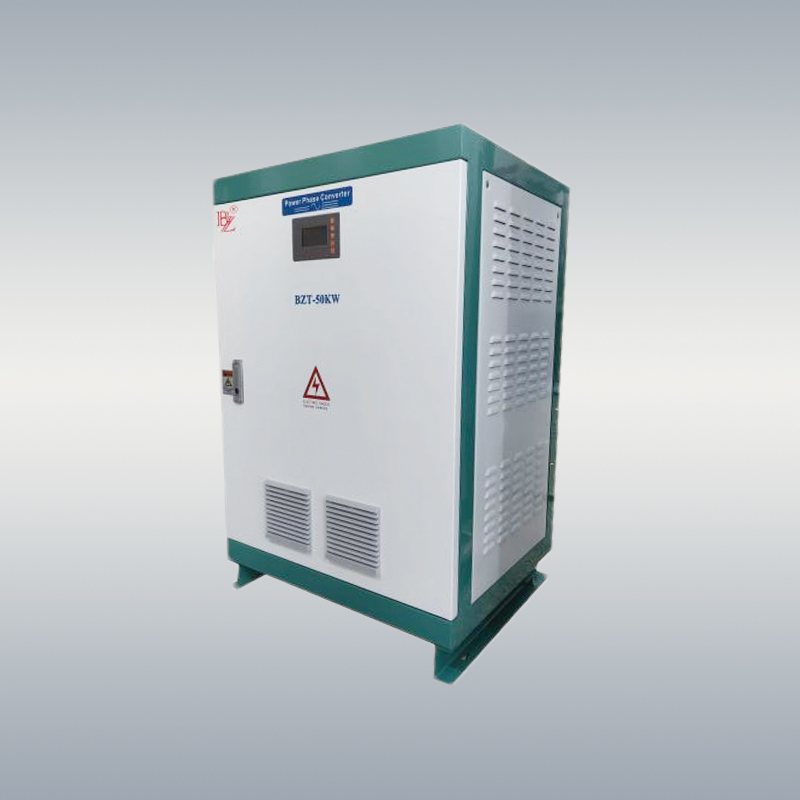
120/240V split phase to 380V AC converter
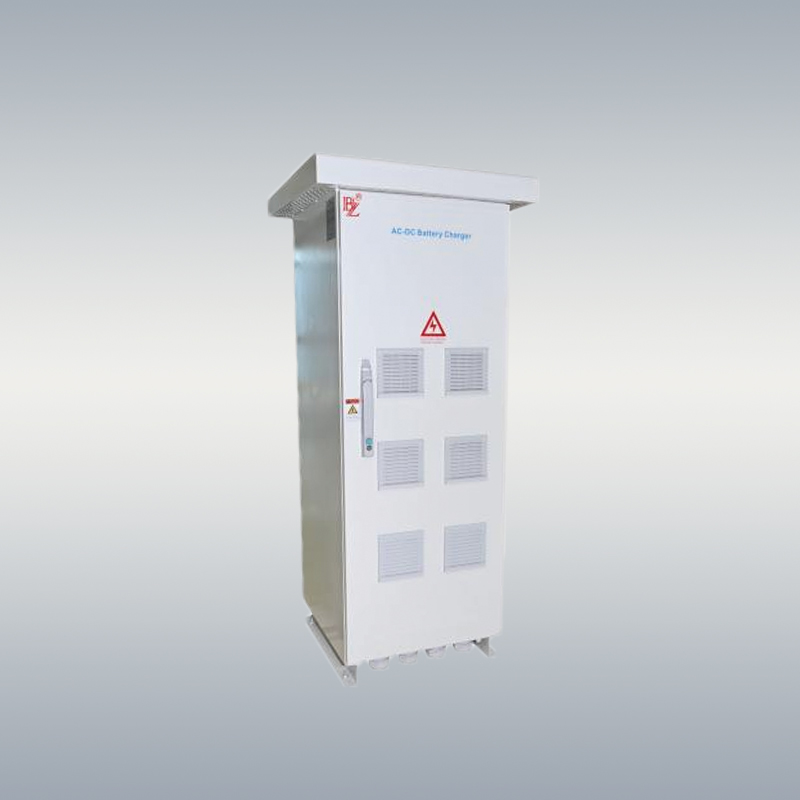
200kw AC-DC charger
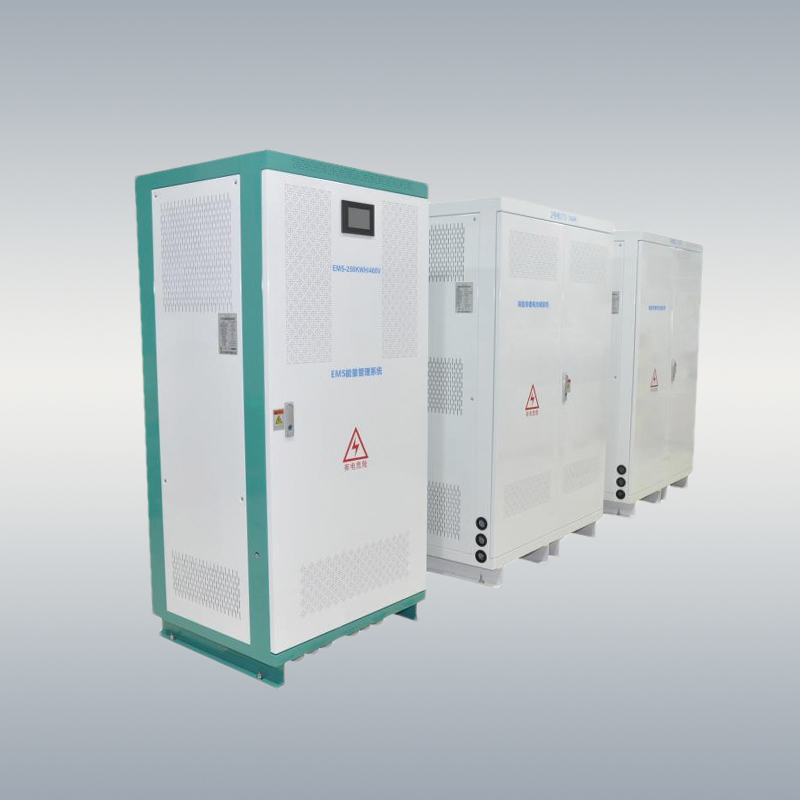
256kwh storage system
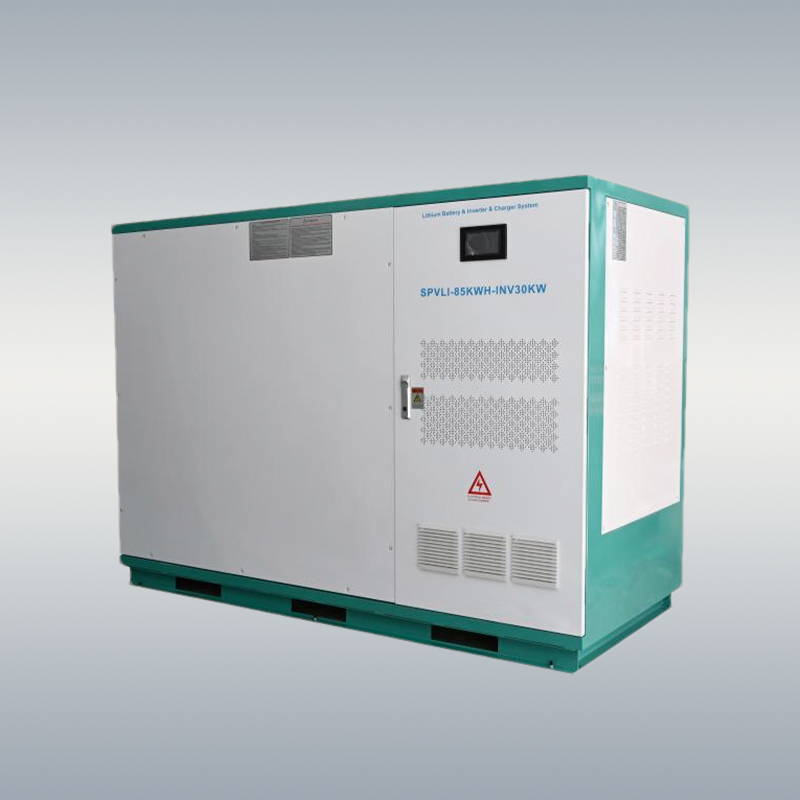
86kwh storage system
Get expert consultation on the right locomotive inverter solution for your marine ship application. Our engineers are ready to design a customized power system that meets your vessel's exact requirements and classification standards.
Request a Free Consultation →