You know, in this exciting and rapidly growing world of renewable energy, picking the right Off Grid Wind Power Inverter is actually pretty important. I mean, according to a report from the Global Wind Energy Council, off-grid wind systems are expected to grow at around 15% each year — which is pretty impressive! All this quick growth just shows how crucial it is to choose an inverter that’s reliable and efficient.
John Carter, from WindTech Innovations, puts it simply but powerfully: “The inverter is the heart of any wind energy setup.” Totally agree with him. Before you buy one, it’s really worth understanding what specifications matter — like wattage, efficiency, and whether it plays nicely with your turbine model. Not all inverters are created equal, and picking the right one can make a big difference in how much energy you actually get.
Juggling all these options might seem a bit overwhelming, but investing some time in researching and maybe even chatting with experts can save you a headache down the line. Every environment is different, so you wanna make sure you’re getting the right inverter for your specific needs. Otherwise, you might end up with poor performance or unexpected costs — nobody wants that, right? So yeah, a little extra effort can really pay off on your off-grid energy adventure.

Understanding Off Grid Wind Power Systems
Understanding off-grid wind power systems is crucial for those seeking freedom from traditional energy sources. These systems harness wind energy to generate electricity, allowing for independence in remote locations. However, when setting up such a system, one must consider various components carefully.
Wind turbines convert kinetic energy from the wind into electrical energy. This energy often needs to be managed effectively, which is where inverters come into play. A Battery-less Off-Grid Energy Storage Inverter can be an excellent choice, converting the generated electricity for immediate use. Such inverters are vital for maintaining a stable power supply. A wide-voltage mains-frequency inverter is also beneficial since it can handle varying voltage levels, making it adaptable to different setups.
Choosing the right inverter involves reflection. Consider the energy demands of your household or project. Not all inverters suit every situation. Sometimes, the best choice isn’t the most advanced model. It may be the one that fulfills your specific needs without unnecessary complexity. Evaluate your options carefully. Research and understand the specifications to ensure compatibility with your wind turbine and energy goals.
Off Grid Wind Power Inverter Efficiency Comparison
Key Features of Wind Power Inverters
When choosing a wind Power Inverter, understanding key features iscrucial. Look for inverters that offer high efficiency. Reports indicate that efficient inverters can convert over 95% of wind energy into usable power. This can significantly reduce energy waste. An optimal wind power storage system complements your inverter, ensuring energy is stored effectively for later use.
Consider the inverter's grid compatibility. Many inverters can seamlessly integrate with existing energy systems. Studies show that hybrid systems leveraging both solar and wind can increase overall energy reliability. Robust inverters provide features like smart monitoring, allowing users to track performance in real-time.
Pay attention to build quality. Inverters face harsh weather conditions. Durable materials help in maintaining functionality. Additionally, look for inverters with safety features. A system that protects against overload and short circuits can save you from costly repairs. Keep in mind that not all inverters are created equal. Understanding these key aspects helps ensure you choose the right wind power inverter for your needs.
Evaluating Inverter Efficiency for Off Grid Solutions
When choosing an off-grid wind power inverter, efficiency is a vital factor. The inverter converts wind energy into usable electricity. A more efficient inverter reduces energy loss. You’ll want to look for inverters with high conversion rates. Some inverters struggle to maintain efficiency during low wind conditions. This can impact your overall energy supply.
Consider the different types of inverter technologies available. Some might be less efficient under varying loads. You need to evaluate how the inverter handles energy fluctuations. A poor choice can lead to wasted power. Look for inverters with the ability to integrate with a Wind And Solar Hybrid Energy Storage System. These systems can offer a backup, enhancing reliability.
Read user reviews about the models you choose. Some products might have great specs on paper but fail in real-world applications. Understanding your energy needs helps narrow down choices. Pay attention to how well the inverter matches your wind turbine’s output. It’s easy to overlook this, but compatibility is key for efficiency. An inverter that does not align with your wind source can be counterproductive. Evaluate all aspects before making a decision.
Assessing Compatibility with Wind Turbines
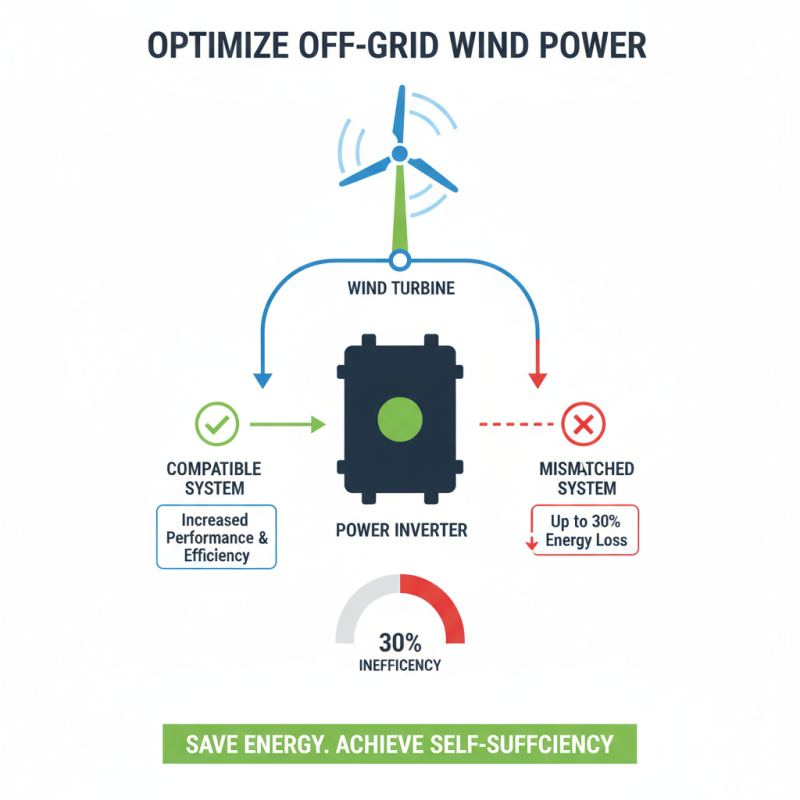
When choosing an off-grid wind power inverter, compatibility with your wind turbine is crucial. A well-matched inverter can optimize performance and improve energy efficiency. Industry data indicates that mismatched systems can lead to inefficiencies of up to 30%. This is a significant loss for off-grid systems aiming for self-sufficiency.
Understanding voltage and power ratings is essential. Many wind turbines operate at specific voltage ranges, often between 12V and 48V. Selecting an inverter that matches these specifications ensures proper functionality. A mismatch could result in equipment failure or reduced energy generation. It's worth noting that inverter efficiency typically ranges from 85% to 95%. This variance can significantly impact the overall system performance.
While one might be tempted to prioritize cost over compatibility, this decision could backfire. A cheaper inverter may not handle the voltage spikes or fluctuations that can occur with wind energy. Studies show that systems with compatible components last longer and require fewer repairs. Investing in proper matching can save money in the long run. Make sure to consider the long-term implications of your choices carefully.
Considering Battery Storage Options
When considering your battery storage options for an off-grid wind power inverter, several factors must be evaluated. Energy storage plays a crucial role in ensuring consistent power supply, especially during low wind periods. The National Renewable Energy Laboratory (NREL) reports that optimal storage systems can increase efficiency by up to 30%. This data highlights the importance of selecting the right batteries for your unique needs.
Lead-acid and lithium-ion batteries are common choices. Lead-acid batteries are cheaper but less efficient in terms of lifespan and energy density. In contrast, lithium-ion batteries are more costly but provide longer life cycles and better performance. According to industry studies, lithium-ion can last up to 15 years compared to the 5-7 years typical for lead-acid batteries. Choosing between these options requires careful consideration of initial investment and long-term cost.
The integration of a wind-solar hybrid storage system can offer improved energy reliability. Such systems balance load and generation, particularly advantageous when wind conditions fluctuate. It's also crucial to assess your energy consumption patterns and site conditions. Relying on generic data is insufficient; personal evaluation is vital. Identify your specific needs and adjust accordingly. This proactive approach may lead to better choices in energy management.
Analyzing Installation and Maintenance Requirements
Choosing an off-grid wind power inverter requires careful consideration of installation and maintenance. Proper installation practices are vital for optimal performance. According to the National Renewable Energy Laboratory, incorrect installations can lead to a 20% efficiency loss. It's essential to follow manufacturer guidelines for mounting and wiring. Consider the location and angle of your wind turbine. These factors significantly impact energy production.
Maintenance is another critical aspect. Regularly checking electrical connections and ensuring there is no debris around the inverter can prevent issues. Dust and moisture can cause wear, leading to costly repairs. Data from the American Wind Energy Association suggests that neglecting maintenance can reduce the lifespan of your inverter by up to 30%. Planning for a basic maintenance routine is advisable but often overlooked.
It's also worth noting that costs can be unpredictable. Installation might seem straightforward, but unexpected complications often arise. Some users report hidden expenses, like additional wiring or mounting systems. Understanding potential costs upfront can help mitigate surprises. Reflect on these requirements before investing in your off-grid setup. Doing so can lead to better long-term outcomes.
Budgeting for Your Wind Power Inverter Investment
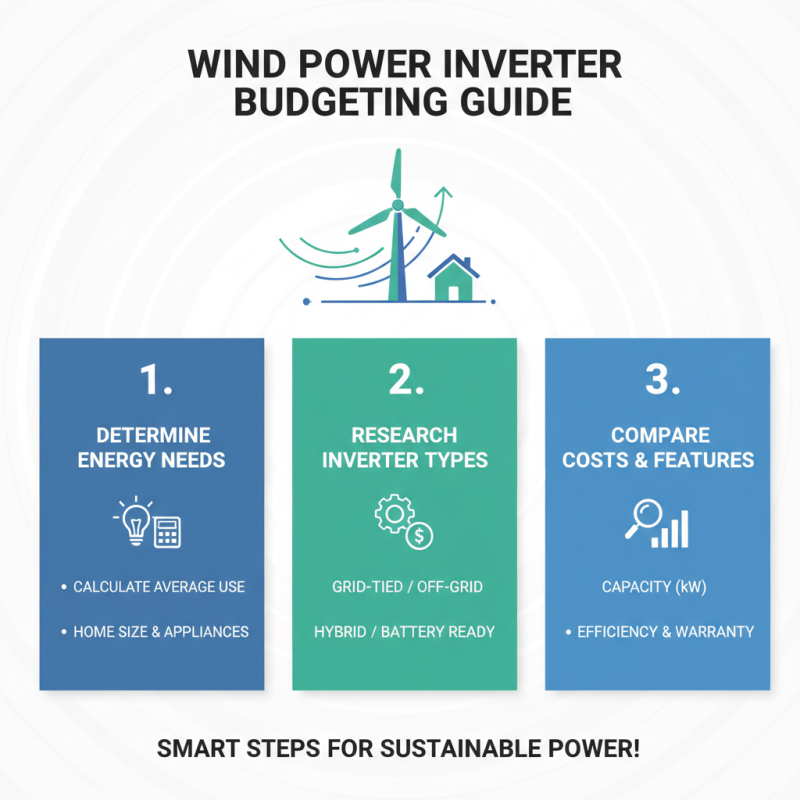
When budgeting for your wind power inverter, start by determining your energy needs. Calculate your average energy consumption. Consider factors like home size and appliance usage. Next, research inverter types and their costs. Prices can vary widely based on features and capacity.
Set aside funds for installation and maintenance. Hiring a professional can save you headaches down the line. While DIY options exist, they may require skills you lack. Factor in potential repairs. Wind inverters face wear and tear over time. Regular maintenance might be an added expense. It’s crucial to plan for these costs.
Moreover, think about your long-term vision. A cheaper inverter may save money now but could let you down later. Do you want reliability? That often comes with higher upfront costs. Be mindful of those trade-offs. Balancing budget and quality requires reflection and foresight.
Unlocking Efficient Irrigation: The Impact of Solar MPPT Pump Inverters (25-250KW) on Agricultural Productivity and Energy Savings
Efficient irrigation is crucial for enhancing agricultural productivity, particularly as global food demand continues to rise. The integration of solar-powered MPPT (Maximum Power Point Tracking) pump inverters represents a significant advancement in irrigation technology. These systems convert the direct current (DC) generated by solar panels into alternating current (AC) to power water pumps efficiently. With the ability to adjust voltage and frequency in real-time according to sunlight intensity, these inverters ensure optimal energy usage, minimizing waste and maximizing output.
According to industry reports, adopting solar MPPT pump inverters can reduce energy costs by up to 80% in regions reliant on conventional irrigation methods. This technology not only contributes to energy savings but also enhances water management efficiency, a vital factor in areas suffering from water scarcity. For instance, the Food and Agriculture Organization (FAO) highlights that improved irrigation techniques can boost crop yields by as much as 50%, demonstrating the potential impact of integrating renewable energy solutions in agriculture.
Furthermore, studies indicate that using solar energy for irrigation can lead to a remarkable reduction in greenhouse gas emissions, making it an environmentally sustainable choice. Transitioning to solar MPPT systems can revitalize agricultural practices by reducing dependency on fossil fuels, providing farmers with a reliable and eco-friendly source of energy that encourages sustainable growth and long-term productivity improvements in agricultural sectors worldwide.
FAQS
: This product enhances convenience and efficiency. It saves time and simplifies daily tasks. Users enjoy improved functionality.
Follow the instructions provided. Start with small tasks to build confidence. Adjust settings as needed for best results.
Yes, customization options are available. You can tweak settings to fit personal preferences. Explore different configurations to find what works best.
In case of issues, check for troubleshooting steps. Sometimes, minor adjustments fix the problem. If it persists, consider reaching out for support.
Regular cleaning is advisable. Ensure proper storage after use. Neglect can lead to decreased efficiency over time.
Many forget to read the manual. Others may ignore recommended usage guidelines. These errors can affect performance unexpectedly.
Lifespan depends on usage. With proper care, it can last several years. Heavy use may shorten this duration.
Yes, resources and support are available. Online forums are also a great place to seek advice. Users often share helpful tips.
Returns may be accepted within a specified period. Check the guidelines carefully. Conditions may apply for damaged items.
Yes, avoid exposing the product to extreme conditions. Follow safety guidelines to prevent accidents. Ignoring this can lead to issues.
Conclusion
Choosing the right Off Grid Wind Power Inverter is crucial for optimizing your renewable energy system. First, it’s important to understand the components of off-grid wind power systems, which include wind turbines, inverters, and battery storage. Key features of wind power inverters such as efficiency ratings, compatibility with specific wind turbines, and the ability to manage battery storage systems play a significant role in the overall performance of your setup.
When evaluating inverters, consider their efficiency to ensure optimal energy conversion. It’s also essential to assess compatibility with your chosen wind turbine and explore various battery storage options to maintain a reliable power supply. Additionally, analyzing installation and maintenance requirements will help you plan effectively for the long-term sustainability of your wind power system. Lastly, budgeting for your Off Grid Wind Power Inverter investment ensures that you are financially prepared to implement your renewable energy solution efficiently.